

Legacy system support
We support, secure and extend the life of existing web applications and legacy systems that your organisation depends on every day. From stabilising ageing platforms to providing secure hosting and ongoing maintenance, we help ensure your software remains reliable, protected and ready for the future.

Legacy systems often sit at the heart of day-to-day operations, yet many organisations face challenges when knowledge is lost, technology becomes outdated or support arrangements change. Replacing these systems isn’t always practical — and disruption can carry significant risk. That’s where OWA comes in.
We help organisations stabilise, support and extend the life of their existing applications while planning safe, practical paths for improvement or modernisation.


See how we help organisations stabilise ageing platforms, protect critical applications and plan sustainable upgrade paths for the future.


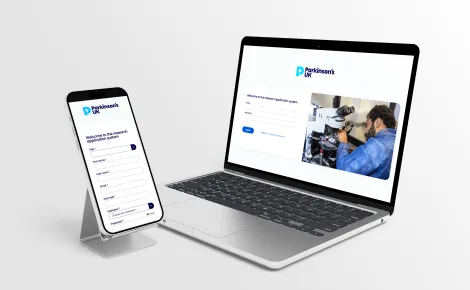
See how we’ve helped organisations launch new platforms and modernise legacy systems with measurable impact

With over 30 years of cross-industry experience in web application development, we’ll bring our deep understanding and sector-wide knowledge to your project.
We’re not just developers – we’re long-term partners, helping you to support and modernise your existing systems so they evolve with your organisation.
Legacy systems, technologies & capabilities
OWA supports a wide range of legacy platforms, from older bespoke web applications and internal business systems to customer portals, databases and workflow tools. Many of these systems were built on earlier frameworks or technologies that are no longer actively maintained. Our focus is on stabilising, extending and supporting these applications so they continue to deliver value to your organisation.
Yes – this is a common situation with legacy platforms. OWA can analyse the existing system by reviewing its codebase, hosting environment and behaviour in operation. From there we build a clearer picture of how the platform works and document key components so it can be supported safely going forward.
OWA works with modern, well-supported technologies including PHP frameworks such as Symfony alongside JavaScript frameworks like Vue and React. When supporting legacy systems, we also work carefully with existing technologies where appropriate. Our aim is always to maintain stability while gradually introducing improvements that make the platform easier to support long term.
Often, yes. Many legacy applications can be enhanced through targeted improvements such as performance optimisation, interface updates, security upgrades or modular refactoring. OWA focuses on practical, incremental improvements that extend the life of your system without the cost and disruption of a full rebuild.
If a platform relies on obsolete or unsupported technologies, OWA will assess the risks and recommend the safest path forward. This may involve stabilising the existing system, introducing compatibility layers or gradually transitioning parts of the application to modern frameworks. The goal is to protect business continuity while planning a sustainable long-term solution.
Assessment, stabilisation & transition planning
Yes – taking over existing systems is a significant part of our work. OWA regularly assumes responsibility for applications developed by other teams when support arrangements change or internal expertise is unavailable. We begin with a structured technical review to understand the system before implementing monitoring, documentation and support processes.
OWA has extensive experience onboarding existing applications from previous providers. We begin with a structured review of the system, hosting environment and security posture before implementing monitoring and documentation. This ensures the platform is stable and fully understood before ongoing support begins.
We start with a technical audit covering code quality, architecture, security, hosting environment and dependencies. OWA then identifies areas of risk or instability and prioritises improvements that will have the greatest impact. The result is a clearer understanding of the system and a practical roadmap for stabilisation and support.
Because many legacy systems support essential business processes, changes must be handled carefully. OWA begins with a technical health check and introduces improvements gradually so that stability is maintained at all times. Our focus is always on protecting continuity while improving the platform.
Yes – many legacy applications lack reliable documentation. OWA can reverse-engineer system architecture, data structures and workflows to produce clear technical documentation. This helps your team understand the platform and ensures knowledge is preserved for future development and support.
Absolutely. While stabilising a system is often the first step, OWA can also help plan a longer-term modernisation strategy. This may involve phased redevelopment, architecture upgrades or migration to newer technologies, ensuring your platform evolves without unnecessary risk or disruption.
Integrations, data & interoperability
Yes – many organisations need their existing systems to communicate with newer platforms. OWA can connect legacy applications to modern APIs, Software as a Service (SaaS) platforms, payment systems, CRMs or internal services. Integrations are designed to be secure, stable and maintainable.
OWA manages the full data migration process, from analysing existing schemas to mapping, cleaning and validating data. We ensure that information is transferred safely while maintaining integrity and consistency. Careful planning and testing minimise downtime and disruption during the transition.
Security, compliance & hosting
Security is often one of the main concerns with legacy platforms. OWA begins with a health check against recognised OWASP standards to identify potential vulnerabilities. From there we recommend practical security improvements and, where appropriate, hosting or infrastructure upgrades.
Yes – OWA regularly works with organisations that manage confidential or regulated information. We design and support systems with strong access controls, secure data handling and comprehensive auditing. Compliance requirements such as GDPR are considered throughout development and hosting.
Our processes follow ISO 27001 information security principles and established secure development practices. OWA uses controlled environments and secure infrastructure to protect applications and data throughout development, hosting and support.
OWA provides fully managed, UK-based hosting designed for security, performance and reliability. Our infrastructure operates across independent Tier 3 and Tier 4 data centres that are PCI DSS and ISO 27001 certified. Systems are monitored 24/7 with resilience, backup and disaster recovery options available where required.
Support, maintenance & long-term partnership
Yes – performance tuning is often one of the most effective ways to extend the life of a legacy system. OWA can review database queries, server configuration and application architecture to identify bottlenecks. Targeted optimisation can significantly improve speed, reliability and user experience.
OWA provides ongoing support covering bug fixes, security updates, monitoring and incremental improvements. Our team keeps your system stable while ensuring it remains compatible with modern infrastructure and evolving requirements. Support plans can be tailored according to the scale and importance of your platform.
Yes – for clearly defined improvements or upgrade projects, OWA can provide fixed-price quotations. For ongoing support or exploratory work, we also offer flexible time-based arrangements. This allows organisations to choose the approach that best suits their needs and budget.





Whether you’re looking to create a new application or facing legacy system challenges and performance bottlenecks, we're here to help.
UK-based design and development
Project planning and scope definition
Technical architecture recommendations
Migration strategy for legacy systems
Fully managed UK-based hosting and support